When it comes to women’s wellness, proactive care is often discussed in terms of screenings and routine check-ups. While these medical protocols are absolutely vital, true preventative wellness starts at the cellular level. Every day, the foods you consume provide the biochemical instructions that guide your body’s hormonal balance, cellular repair mechanisms, and inflammatory responses.
Breast tissue is highly sensitive to hormonal fluctuations, particularly the levels and metabolism of estrogen. Environmental factors, chronic stress, and metabolic sluggishness can disrupt this delicate balance. Fortunately, functional nutrition offers powerful tools to support your body’s natural defense systems. By integrating specific, nutrient-dense ingredients into your diet, you can promote optimal estrogen metabolism and cellular integrity. Here are eight foods that may support breast health naturally.
1. Flaxseeds: The Lignan Powerhouse
Flaxseeds are arguably one of the most studied foods in the realm of women’s health. These tiny seeds are the richest dietary source of lignans, a type of phytoestrogen that plays a fascinating role in balancing hormones.
Phytoestrogens can weakly bind to estrogen receptors in the body. When your natural estrogen levels are too high, plant-based lignans step in and sit on those receptors, effectively blocking stronger, more inflammatory forms of estrogen from locking in. Flaxseeds are also packed with alpha-linolenic acid (ALA), a plant-based Omega-3 fatty acid that helps modulate systemic inflammation. To unlock their full bioavailability, always consume flaxseeds ground rather than whole.
2. Cruciferous Vegetables: Estrogen Regulators
Broccoli, Brussels sprouts, cabbage, and kale belong to the cruciferous family, and they are essential for long-term tissue support. Their secret weapon is a sulfur-containing compound called glucoraphanin, which converts into sulforaphane during digestion.
Sulforaphane activates specific detox pathways in the liver, helping your body efficiently break down and excrete excess hormones. Additionally, cruciferous vegetables contain Indole-3-Carbinol (I3C), a compound that helps shift estrogen metabolism toward a safer, more beneficial pathway. Incorporating a serving of steamed broccoli or crunchy kale into your daily routine provides a constant reset for your body’s hormonal filtration system.
3. Berries: Antioxidant Shields
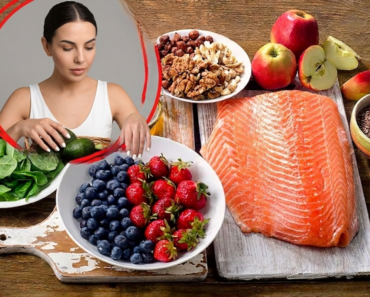
Blueberries, blackberries, and raspberries are famous for their vibrant colors, which are a visual indicator of their high antioxidant density. They are particularly rich in ellagic acid and anthocyanins.
These compounds act as physical shields for your cells, neutralizing the oxidative stress caused by environmental pollutants, poor sleep, or processed foods. When oxidative stress is left unchecked, it can damage DNA and disrupt healthy cell replication in sensitive tissues. The polyphenols in berries help preserve cellular health, ensuring that your body’s natural repair cycles run smoothly without interference from free radicals.
4. Walnuts: Omega-3 and Polyphenol Synergy
Walnuts stand out in the nut family due to their unique nutritional profile. They contain a potent combination of plant-based Omega-3 fats, phytosterols, and specialized antioxidants called gamma-tocopherols.
Research suggests that the unique matrix of nutrients in walnuts can influence gene expression related to cellular survival and replication. The healthy fats in walnuts help maintain the fluidity of cell membranes, ensuring that cells can effectively communicate with one another and manage waste products. A small handful of walnuts a day is an effortless way to upgrade your internal defense mechanisms.
5. Green Tea: The EGCG Defender
Drinking green tea is a ritual practiced by the longest-lived populations on Earth, and its benefits for tissue longevity are well-documented. Green tea is packed with polyphenols, most notably epigallocatechin gallate (EGCG).
EGCG is a highly active antioxidant that has been shown to modulate the signaling pathways responsible for cellular growth and blood vessel formation in tissues. By regulating these pathways, green tea helps the body maintain normal, healthy tissue architecture. To maximize the EGCG content, allow your green tea to steep for at least five minutes before drinking, and avoid adding dairy, which can bind to the antioxidants and reduce their absorption.
6. Pomegranates: Natural Aromatase Modulators
Pomegranates are a sensory delight, but their deep red arils contain complex compounds called ellagitannins.
In the body, these ellagitannins can be converted by gut bacteria into urolithins, which have been studied for their ability to naturally interact with aromatase—an enzyme involved in the production of estrogen. By gently balancing this enzyme’s activity, pomegranates support an optimal hormonal baseline. Whether consumed as fresh seeds or a small glass of pure, unsweetened juice, pomegranates offer sophisticated metabolic support for sensitive tissues.
7. Turmeric: The Ultimate Inflammation Buffer
The golden spice of traditional wellness, turmeric, owes its health benefits to its primary active compound, curcumin.
Chronic, low-grade inflammation is a silent disruptor that can alter cellular behavior and stress surrounding tissues over time. Curcumin acts as a powerful dampener of inflammatory pathways at the molecular level. By keeping systemic inflammation low, turmeric helps create a calm internal environment where cells can replicate and repair without the stress of constant biological friction. Pair turmeric with black pepper to drastically increase its absorption.
8. Lentils and Chickpeas: Fiber-Rich Foundations
Legumes like lentils, chickpeas, and black beans are often celebrated for their protein content, but their real value for hormonal health lies in their soluble and insoluble fiber.
Your body eliminates excess estrogen through the digestive tract. If your digestion is slow or sluggish, that excreted estrogen can be reabsorbed back into the bloodstream, contributing to hormonal dominance. The high fiber content in legumes ensures optimal transit time, acting like an internal broom that safely carries waste products out of the body. They also provide a steady release of energy, preventing the insulin spikes that can further complicate hormonal balance.
The Holistic View
While these eight foods provide exceptional biochemical support, health is never determined by a single ingredient. Supporting your body naturally is a multi-layered approach that includes regular movement, managing stress levels, and prioritizing high-quality sleep. By consciously choosing to add these hormone-balancing, antioxidant-rich foods to your daily menu, you are actively investing in your body’s long-term resilience, vitality, and balance from the inside out.
Disclaimer: This content is for informational purposes only and does not constitute medical advice. Breast health is a complex area influenced by genetics, lifestyle, and medical history. Always seek the advice of your physician or other qualified health provider with any questions you may have regarding a medical condition or major dietary changes.