The human endocrine system is a complex, highly synchronized orchestra. At any given moment, dozens of chemical messengers—hormones—are traveling through your bloodstream, dictating everything from your metabolic rate and sleep quality to your emotional resilience. Certain tissues in the body, particularly breast tissue, are incredibly receptive to these hormonal fluctuations. They possess specialized receptors that listen closely to the signals sent by estrogen and progesterone.
When the body is in harmony, these hormones balance each other out perfectly. However, the realities of modern living—including chronic stress, environmental toxins, and digestive stagnation—can disrupt this equilibrium, often leading to a state of estrogen dominance. To support your body’s natural defense systems, functional nutrition looks toward foods that assist with hormone clearance, metabolic regulation, and cellular protection. Here are seven foods scientifically linked to supporting optimal hormonal and breast health balance.
1. Broccoli Sprouts: The Phase II Detox Engine
While mature cruciferous vegetables are excellent for health, broccoli sprouts are a concentrated powerhouse. These three-to-four-day-old plants contain up to 100 times more glucoraphanin than fully grown broccoli.
When chewed, glucoraphanin converts into sulforaphane, a compound that acts as a master switcher for your liver’s Phase II detoxification pathways. Inside your body, the liver is responsible for filtering out “spent” or excess hormones. Sulforaphane specifically assists the liver in converting aggressive forms of estrogen into water-soluble compounds that can be safely excreted. By adding a small handful of these sprouts to your salads or smoothies, you are directly supporting your body’s primary hormonal filtration system.
2. Kimchi and Sauerkraut: Optimizing the “Estrobolome”
We often treat digestion and hormonal health as completely separate topics, but modern science has revealed an incredible link between the two: the estrobolome. This is a specific mapping of bacteria within your gut microbiome that is solely responsible for metabolizing and modulating the body’s circulating estrogen.
When your gut bacteria are out of balance, an enzyme called beta-glucuronidase can improperly reactivate estrogen that your liver tried to discard, sending it back into your bloodstream. Fermented foods like kimchi, sauerkraut, and kefir deliver a diverse wave of live probiotics to your digestive tract. This supports the estrobolome, keeping beta-glucuronidase levels in check and ensuring that excess hormones are efficiently carried out of the body rather than reabsorbed.
3. Tempeh and Natto: The Selective Receptor Modulators
There is a massive amount of misinformation regarding the relationship between soy and hormonal health. The key lies in understanding the difference between highly processed soy isolates found in junk food and traditional, fermented soy like tempeh, miso, and natto.
Fermented soy is rich in isoflavones, which are plant-based phytoestrogens. These molecules possess a structure similar to human estrogen, but they are significantly weaker. Inside your tissues, they act as natural Selective Estrogen Receptor Modulators (SERMs). If your body has too much circulating estrogen, these plant compounds occupy the tissue receptors, preventing stronger, more inflammatory forms of estrogen from locking in. Introducing traditional, fermented soy into your routine provides a gentle, natural buffering effect for your endocrine system.
4. Wild Blueberries: The Cellular Integrity Matrix
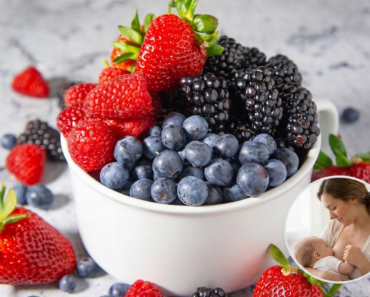
Wild blueberries are structurally different from standard cultivated blueberries; they are smaller, denser, and contain a far higher concentration of anthocyanins and pterostilbene. These deep-purple pigments are some of the most potent fat-soluble antioxidants found in nature.
Sensitive tissues require robust protection against oxidative stress, which can degrade cell membranes and alter healthy cell replication. The unique polyphenol matrix in wild blueberries travels through the bloodstream to neutralize these free radicals before they can cause cellular friction. They essentially act as a protective barrier, allowing your cells to perform their daily metabolic tasks without external interference.
5. Pumpkin Seeds: Zinc and Progesterone Support
Hormonal balance is a game of ratios. For estrogen to perform its functions safely, it must be balanced by an adequate production of progesterone. Pumpkin seeds are an exceptional tool for this dynamic because they are highly rich in zinc and plant-based sterols.
Zinc is a mandatory mineral for the health of the pituitary gland, which regulates the release of luteinizing hormone—the signal that tells your ovaries to produce progesterone. Furthermore, pumpkin seeds are an excellent source of magnesium, which helps relax the vascular system and assists the body in managing the physical stress responses that can otherwise drain your hormonal reserves.
6. Organic Green Tea: Supporting the COMT Pathway
The health benefits of green tea are driven by a group of antioxidants called catechins, most notably epigallocatechin gallate (EGCG). Beyond its general metabolic support, EGCG plays a specialized role in how your body handles hormone clearance at a genetic level.
Your body relies on a specific enzyme called Catechol-O-methyltransferase (COMT) to break down and neutralize active estrogens. EGCG has been shown to assist in modulating metabolic pathways, ensuring that the COMT enzyme works efficiently. Drinking two cups of organic green tea daily provides a steady stream of these catechins, helping to maintain normal, healthy tissue architecture throughout your endocrine landscape.
7. Avocados: Healthy Fats and Plant Sterols
To build healthy hormones, your body requires high-quality fat. Adipose and endocrine tissues rely on dietary lipids to build cell membranes and facilitate chemical communication. Avocados are rich in monounsaturated fats and beta-sitosterol, a natural plant sterol.
Beta-sitosterol helps normalize the stress hormone cortisol. When cortisol is chronically elevated due to daily pressures, it can create a “hormone steal” effect, where the body sacrifices reproductive and tissue health to keep up with stress demands. The healthy fats in avocados help calm the nervous system, providing the foundational building blocks your body needs to maintain a steady, resilient hormonal baseline.
Achieving Systemic Harmony
Hormonal and tissue balance is not achieved by isolating a single food or relying on a quick fix. Your biology thrives on consistency and synergy. Aligned light exposure, mindful hydration, and stress management are the canvas upon which these seven foods do their work. By consciously upgrading your dietary choices to include these liver-supporting, gut-optimizing ingredients, you are choosing to work in harmony with your body’s natural intelligence, building a foundation for vibrant, long-term wellbeing.
Disclaimer: This content is for informational purposes only and does not constitute medical advice. Hormonal and tissue health are highly individualized and influenced by genetics, lifestyle, and medical history. Always seek the advice of your physician or other qualified health provider with any questions you may have regarding a medical condition or major dietary changes.