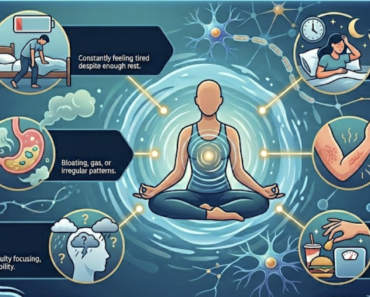
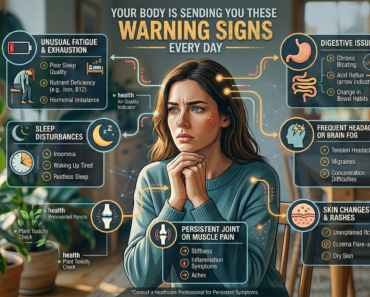
We often wait for a “red alert” before we pay attention to our health. We wait for the sharp pain, the high fever, or the total exhaustion that forces us to stay in bed. However, the human body rarely goes from perfect health to a crisis overnight. Instead, it moves through a series of subtle, almost imperceptible shifts—small changes in how we look, feel, or move—that act as early warning systems.
In the industry of wellness, we call these “subclinical signals.” They aren’t enough to make you feel “sick,” but they are evidence that your body is working harder than it should to maintain its internal balance, or homeostasis. If you’ve noticed any of these subtle changes lately, they could mean much more than you think.
1. The Disappearing Outer Edge of Your Eyebrows
Most people attribute thinning eyebrows to aging or over-plucking in their younger years. However, if you notice that the outer third of your eyebrows is becoming sparse or disappearing entirely, your body might be signaling a shift in your thyroid function.
The thyroid gland regulates your metabolism and hair follicle regeneration. When it’s underactive (hypothyroidism), one of the classic, yet subtle, signs is this specific pattern of eyebrow loss. It’s a small change, but it’s a powerful indicator of how your hormonal “master switch” is performing. Pay attention to whether this is accompanied by a sudden sensitivity to cold or a feeling of sluggishness in the mornings.
2. Occasional Dizziness When Standing Up
We’ve all experienced that “head rush” when standing up too quickly from the couch. While it’s often dismissed as a momentary lapse, frequent bouts of orthostatic hypotension (a fancy term for a sudden drop in blood pressure) can be a signal of adrenal fatigue or electrolyte depletion.
Your adrenal glands produce hormones that help regulate blood pressure and your response to gravity. When you are under chronic stress, these glands can struggle to keep up, leading to that momentary feeling of lightheadedness. It could also mean your body is crying out for better hydration—not just more water, but more minerals like magnesium and potassium to maintain the electrical balance in your cells.
3. A Change in Your Shoe Size or Foot Swelling
If you suddenly find that your favorite pair of shoes feels uncomfortably tight by the end of the day, don’t just blame the shoes. Subtle swelling in the feet and ankles, known as edema, is your body’s way of signaling an issue with fluid retention or circulation.
This can be a sign that your lymphatic system—the body’s “drainage system”—is becoming sluggish. It can also point to a high-sodium diet or, in more significant cases, how your heart and kidneys are managing fluid volume. Before you buy a bigger shoe size, consider it a signal to move more, reduce processed salt, and perhaps look into the health of your venous system.
4. White Spots on Your Fingernails
You may have heard that white spots on your nails mean you need more calcium. In reality, these spots (leukonychia) are more often a subtle signal of a Zinc deficiency.
Zinc is a “trace mineral,” but it is responsible for hundreds of enzymatic reactions, including immune support and protein synthesis. Because we use up zinc rapidly during times of high stress or illness, these little white clouds on your nails are like a biological “low battery” light. It’s your body’s way of saying its defense and repair systems need a nutritional top-up.
5. Persistent “Heavy” Eyelids or Dark Circles
We often blame dark circles on a “late night,” but if they persist even after eight hours of sleep, your body is telling a different story. “Allergic shiners” or persistent puffiness under the eyes can be a sign of chronic low-grade inflammation or undiagnosed food sensitivities.
When your immune system is constantly reacting to something in your environment or your diet, it can cause the small blood vessels under the thin skin of your eyes to swell and darken. It’s not just a beauty concern; it’s a signal that your internal “defense force” is on high alert and needs you to identify what is triggering the alarm.
6. Small Red Bumps on the Back of Your Arms
Often referred to as “chicken skin” (keratosis pilaris), these tiny, harmless-looking bumps on the back of the triceps or thighs are frequently ignored. However, they are often a signal of Vitamin A or Fatty Acid deficiency.
Your skin cells need high-quality fats and specific vitamins to “turn over” correctly. When you lack these, the cells build up around the hair follicles, creating those small bumps. Instead of scrubbing them away with harsh exfoliants, listen to the signal: your body likely needs more Omega-3s and fat-soluble vitamins to keep your skin—and your internal membranes—smooth and healthy.
7. Frequent Sighing or “Air Hunger”
Have you ever caught yourself taking a deep, involuntary sigh several times an hour? Or perhaps you feel like you can’t quite take a “full” breath, even though you aren’t exercising? This is often a subtle signal of chronic stress and high cortisol.
When we are in a state of “high alert,” our breathing becomes shallow and moved up into the chest. Frequent sighing is the body’s subconscious attempt to reset the nervous system and balance carbon dioxide levels in the blood. It’s a signal that your body is stuck in “fight or flight” mode and desperately needs a parasympathetic reset.
The Importance of the “Body Scan”
These changes are subtle by design. The human body is incredibly resilient and will try to compensate for imbalances for a long time before a major symptom appears. By performing a regular “body scan”—checking your nails, your skin, your energy levels, and even your breathing patterns—you can catch these signals early.
The Bottom Line: Your body is a master communicator. These subtle changes aren’t “glitches” in the system; they are intentional messages designed to help you thrive. When you learn to decode the language of these whispers, you can make the small adjustments—better nutrition, more rest, less stress—that prevent the whispers from ever becoming a crisis.
Disclaimer: This content is for informational purposes only and does not constitute medical advice. Always seek the advice of your physician or other qualified health provider with any questions you may have regarding a medical condition. Never disregard professional medical advice or delay in seeking it because of something you have read here.