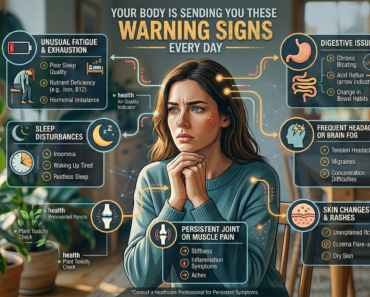
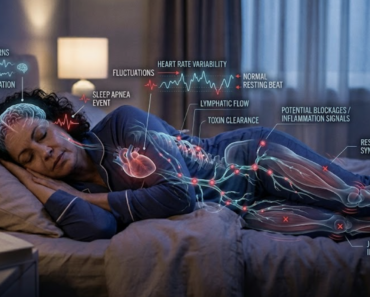
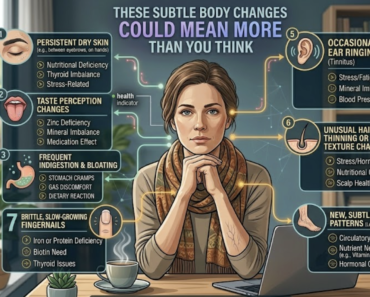
In the world of modern health, we often treat the body as a collection of separate parts. We go to one specialist for our skin, another for our digestion, and another for our sleep. But the human body doesn’t work in silos; it is a beautifully complex ecosystem where every system is in constant conversation with the others. When one part of that ecosystem falls out of alignment, it creates a “ripple effect” that sends subtle signals across your entire physical and mental landscape.
Maintaining “balance”—or what scientists call homeostasis—is your body’s full-time job. However, factors like chronic stress, nutritional gaps, and environmental toxins can throw a wrench in the gears. If you’ve been feeling like your “internal rhythm” is off, these six signs are the body’s way of asking for a recalibration.
1. The Energy Paradox: Feeling “Tired But Wired”
One of the most frustrating signs of a body out of balance is a disrupted energy cycle. Ideally, your cortisol levels should be high in the morning to wake you up and low at night to let you rest. When this rhythm flips, you enter the “Tired But Wired” state.
You might struggle to drag yourself out of bed in the morning, relying on caffeine to function, only to find yourself hit with a second wind of anxious energy at 9:00 PM. This is a classic signal of HPA-axis dysregulation (often called adrenal fatigue). It means your stress-response system is no longer in sync with the rising and setting of the sun. This imbalance doesn’t just affect your mood; it impacts your immune system’s ability to repair your body while you sleep.
2. The Digestive “Slowdown” and What It Reveals
We often think of digestion only in terms of what we eat, but your gut is actually your “second brain.” When your body is out of balance, your digestive transit time often changes. Whether it’s persistent bloating or a sudden sluggishness in your system, your gut is reflecting your internal environment.
A “slow” gut is often a ripple effect of high cortisol. When the body is in a state of perceived “danger” (stress), it diverts blood flow away from the digestive tract and toward the muscles. If you are constantly bloated, it might not just be the food on your plate; it could be a signal that your nervous system is stuck in “fight or flight” mode, preventing your enzymes from doing their job.
3. Emotional Volatility and the Microbiome Connection
Have you noticed that you are more irritable, anxious, or prone to sudden “lows” for no apparent reason? While we often blame our external circumstances, our emotional stability is deeply tied to our biological balance.
About 95% of your serotonin—the chemical responsible for stabilizing your mood—is produced in your gut. If your gut microbiome is out of balance due to inflammation or a poor diet, the “signal” to your brain gets distorted. This is the gut-brain axis in action. Mood swings are frequently a physical signal that your internal “pharmacy” is struggling to produce the neurochemicals you need to stay calm and focused.
4. Thermal Irregularity: The “Always Cold” Signal
Your body’s ability to regulate its own temperature is a direct reflection of your metabolic health. If you find yourself reaching for a sweater when everyone else is comfortable, or if your hands and feet feel like ice even in a warm room, your “internal furnace” is likely turned down too low.
This is a common sign of a sluggish thyroid or poor micro-circulation. When the body is out of balance, it prioritizes keeping your vital organs (heart, lungs, liver) warm, sacrificing the blood flow to your extremities. This “thermal retreat” is a whisper from your metabolism that it doesn’t have enough fuel or hormonal support to maintain a steady temperature across your entire system.
5. Skin “Flashpoints” and Internal Inflammation
The skin is often described as the mirror of the gut. When the body is overwhelmed by internal inflammation or a buildup of metabolic waste, it often tries to “push” those toxins out through the skin.
Subtle changes, such as a sudden patch of dryness, adult acne along the jawline, or unusual sensitivity to products you’ve used for years, are rarely just “skin issues.” They are biological flashpoints indicating that your primary detox organs—the liver and kidneys—might be overloaded. Your skin is simply the last line of defense, showing you on the outside what is happening on the inside.
6. The “Brain Fog” and Cognitive Friction
Do you ever walk into a room and forget why you’re there? Or find yourself reading the same paragraph three times because the information just won’t “stick”? This isn’t just a sign of a busy life; it’s a sign of neuro-inflammation.
When your body is out of balance—whether due to blood sugar spikes, lack of restorative sleep, or hidden food sensitivities—your brain experiences “friction.” This mental cloudiness is the body’s way of slowing you down because it doesn’t have the steady supply of glucose or oxygen it needs to power high-level cognitive functions. Brain fog is a call to look at your systemic inflammation levels.
How to Restore the Rhythm
The goal of recognizing these signals isn’t to fix them individually with a “pill for every ill.” Instead, the goal is to address the root environment. Restoring balance usually involves three fundamental pillars:
-
Circadian Alignment: Getting natural sunlight in your eyes first thing in the morning to reset your cortisol clock.
-
Mineral Replenishment: Prioritizing magnesium, potassium, and sodium to help your cells communicate.
-
Nervous System Regulation: Incorporating moments of deep, diaphragmatic breathing to tell your brain that it is safe to digest, repair, and rest.
The Bottom Line: Your body is a master of communication, but it speaks a language of sensations rather than words. These six signs aren’t “broken” parts of you; they are intelligent messages designed to bring you back to your center. By listening to the ripple effect today, you can stop the waves of imbalance before they turn into a storm.
Disclaimer: This content is for informational purposes only and does not constitute medical advice. If you are experiencing persistent symptoms, it is essential to consult with a qualified healthcare professional to rule out underlying conditions.