We often treat our bodies like high-performance machines, pushing them to the limit and expecting them to run smoothly without much maintenance. We juggle careers, family, and social lives, often at the expense of our own well-being. However, unlike a modern car that has a clear “check engine” light on the dashboard, the human body communicates in whispers and subtle shifts.
The problem? Most of us have become masters at ignoring these whispers. We live in a world of “quick fixes,” where a headache is met with a pill and exhaustion is met with a double espresso. But by masking these symptoms, we are essentially cutting the wires to our own alarm system.
If you’ve been feeling “off” lately, it isn’t necessarily a sign of aging or “just the way life is.” Your body could be sending you specific signals that your internal systems are struggling to maintain balance. Here is a deep dive into the warning signs you should never ignore.
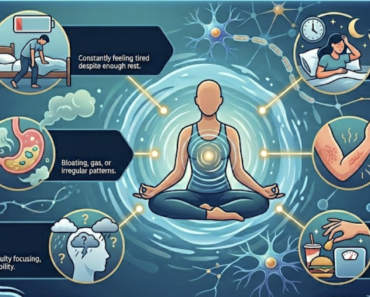
1. The Afternoon “Brain Fog” and Energy Crash
We all expect a slight dip in energy after a heavy lunch, but if you find yourself hitting a wall every single afternoon—struggling to focus on simple tasks or feeling a cloud over your thoughts—your body is trying to tell you something about your metabolic health.
This “2 P.M. crash” is often more than just a lack of sleep. It is frequently a sign of blood sugar instability or adrenal fatigue. When we consume high-glucose meals or live under chronic stress, our cortisol levels spike and then plummet, leaving us feeling depleted. Instead of reaching for more caffeine, which only stresses the system further, this is a signal to look at your protein-to-carb ratio and your hydration levels.
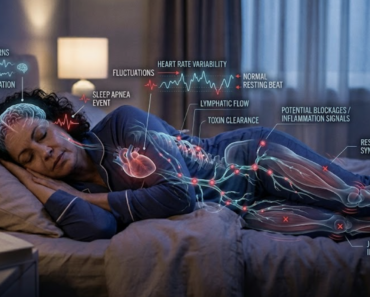
2. Modern Insomnia: Waking Up at 3 A.M.
Do you find yourself staring at the ceiling in the middle of the night, usually between 2:00 and 4:00 A.M.? This is one of the most common “whispers” of the modern era. In many wellness circles and biological studies, this specific window is associated with a spike in cortisol.
When your body is under constant stress, your nervous system remains in a “fight or flight” state. Around 3 A.M., your blood sugar can drop, and the body releases cortisol to trigger the release of glucose. This surge is enough to snap you wide awake, often with a racing mind. This isn’t just “bad sleep”; it’s a signal that your stress management system is overloaded and needs a reset.
3. The Skin-Gut Connection: Sudden Breakouts and Redness
Your skin is your largest organ and acts as a biological billboard, reflecting what is happening deep inside your digestive system. Sudden changes in skin texture, unusual dryness, or adult acne aren’t always about the soap you’re using.
Science increasingly points to the “gut-skin axis.” When the delicate balance of bacteria in your microbiome is disrupted—due to diet, stress, or antibiotics—it creates internal inflammation. This inflammation often “leaks” out, manifesting as redness, puffiness, or irritation on your face. Before investing in expensive external creams, listen to the signal that your gut might need more fiber, probiotics, and less processed sugar.
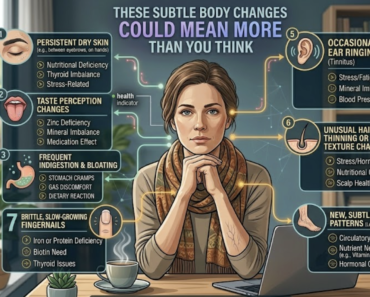
4. Brittle Nails and Thinning Hair
While we often view hair and nails through the lens of beauty, your body views them as “luxury items.” When your system is low on vital nutrients like Biotin, Zinc, or Iron, it has to make a choice. It will always prioritize your vital organs—your heart, lungs, and liver—over your appearance.
If your nails are becoming brittle or your hair is losing its luster and volume, your “nutrient bank account” is likely overdrawn. This is a clear warning sign of a malabsorption issue or a diet that lacks essential minerals. It’s the body’s way of saying: “I’m redirecting resources to stay alive; please replenish the supply.”
5. Persistent Bloating and Digestive Discomfort
Bloating has become so common in modern society that many people have accepted it as a normal part of life. It is not. Feeling like you’ve swallowed a balloon after every meal is a direct message from your digestive tract.
Persistent bloating is often a sign of dysbiosis (an imbalance of gut bacteria) or hidden food sensitivities. When your body cannot efficiently break down what you’ve eaten, the food ferments in the gut, producing gas and inflammation. Ignoring this can lead to long-term issues with your immune system, as nearly 70% of your immune cells reside in your gut.
6. Muscle Twitches and Frequent Cramping
Have you ever felt an annoying twitch in your eyelid or a sudden cramp in your calf while resting? While usually harmless in the short term, these are classic signals of an electrolyte imbalance, specifically a lack of magnesium.
Magnesium is responsible for over 300 biochemical reactions in the body, including muscle and nerve function. Because of modern farming techniques, our soil—and therefore our food—is often depleted of this essential mineral. A twitching eye is your nervous system’s way of begging for better hydration and mineral support.
7. Changes in Your Tongue and Breath
In many traditional wellness practices, the tongue is considered a map of internal health. A healthy tongue should be pink and relatively clear. If you notice a thick white coating or “scalloped” edges (teeth marks on the side of the tongue), your body is signaling a possible yeast overgrowth or chronic dehydration.
Similarly, chronic bad breath that doesn’t go away with brushing can indicate issues with your oral microbiome or even your stomach acid levels. Your mouth is the gateway to your digestive system; pay attention to what it’s telling you before you even take a bite of food.
How to Start Listening
The goal isn’t to become hyper-fixated on every tiny sensation, but to build a relationship with your body. Start by keeping a “body journal” for just three days. Note when you feel tired, when you feel bloated, and how you sleep. You will likely see patterns emerge.
The Bottom Line: Your body doesn’t want to fail you; it wants to protect you. These daily signs aren’t meant to cause anxiety—they are invitations to slow down, reassess your habits, and provide your system with the rest and fuel it truly needs.
Listen to the whispers today, so you don’t have to hear the screams tomorrow.
Disclaimer: This content is for informational purposes only and does not constitute medical advice. Always seek the advice of your physician or other qualified health provider with any questions you may have regarding a medical condition.